Your home is probably affecting your health more than you realize.
You’ve done the work. The diet, the supplements, the sleep routine. But if your home environment is working against you, there’s a piece of the puzzle you haven’t been able to see yet. I help you find it.
Your home is probably affecting your health more than you realize.
You’ve done the work. The diet, the supplements, the sleep routine. But if your home environment is working against you, there’s a piece of the puzzle you haven’t been able to see yet. I help you find it.
You’ve already invested in your health. Your home deserves the same attention.
But most people never really look at their home environment. And somewhere in the back of your mind, you know it too.
You notice the fatigue that doesn’t make sense after a full night’s sleep. The allergies that show up and don’t leave. The headaches that come and go without explanation. You’ve looked into it, but everything you find is either alarming, expensive, or impossible to act on without a science degree.
So it goes on the list of things you’ll deal with eventually, and you keep going.
The problem isn’t that you don’t care. It’s that no one has given you a clear, honest picture of what’s actually worth addressing in your specific home, and what isn’t.
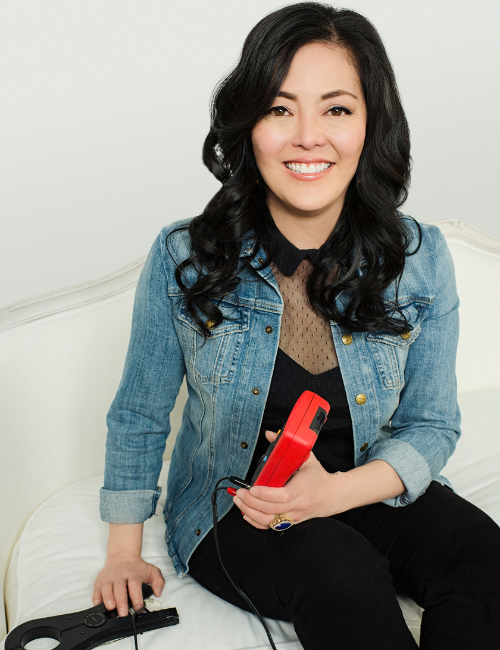
I’m Risa Suzuki, a Certified Building Biologist with over a decade of experience helping health-conscious homeowners understand their home environment and make informed, prioritized decisions about it.
I look at your specific home, your specific goals, and your specific situation, and I help you figure out what actually matters, in what order, and why.
My clients regularly report sleeping through the night for the first time in years, fewer headaches, less anxiety, and a calm they hadn’t felt in their home before. Not because they gutted their house and started over, but because they made the right changes, in the right order, for their home.
I started where you probably are right now.
After moving into a new home, my health took a nosedive. My doctors told me everything looked normal. There were no experts to call and no roadmap to follow, only scientific research that was impossible to translate into action.
I earned my certification, spent more than two years working through it, and fixed my home. Then I built a structured process so no one else would have to figure it out alone.
That process is what I share with my clients. If you want to know what it looks like applied to your specific home, that’s exactly what we do together.
Featured Article
Three Ways to Make Smarter Decisions About Your Home Without Going Down an Expensive Rabbit Hole
It's not your fault. The truth is, there's always something affecting your health, and you can't fix it all. Most people who start looking at their home environment hit...







Finally understand what your home is doing to your health and wellness
The Toxin Intensive Program gives you a clear, personalized plan for your specific home, so you know exactly what to address, in what order, and why, without the overwhelm or guesswork.
Clarity, confidence, and a plan that’s specific to your home and your goals.
More from the Blog
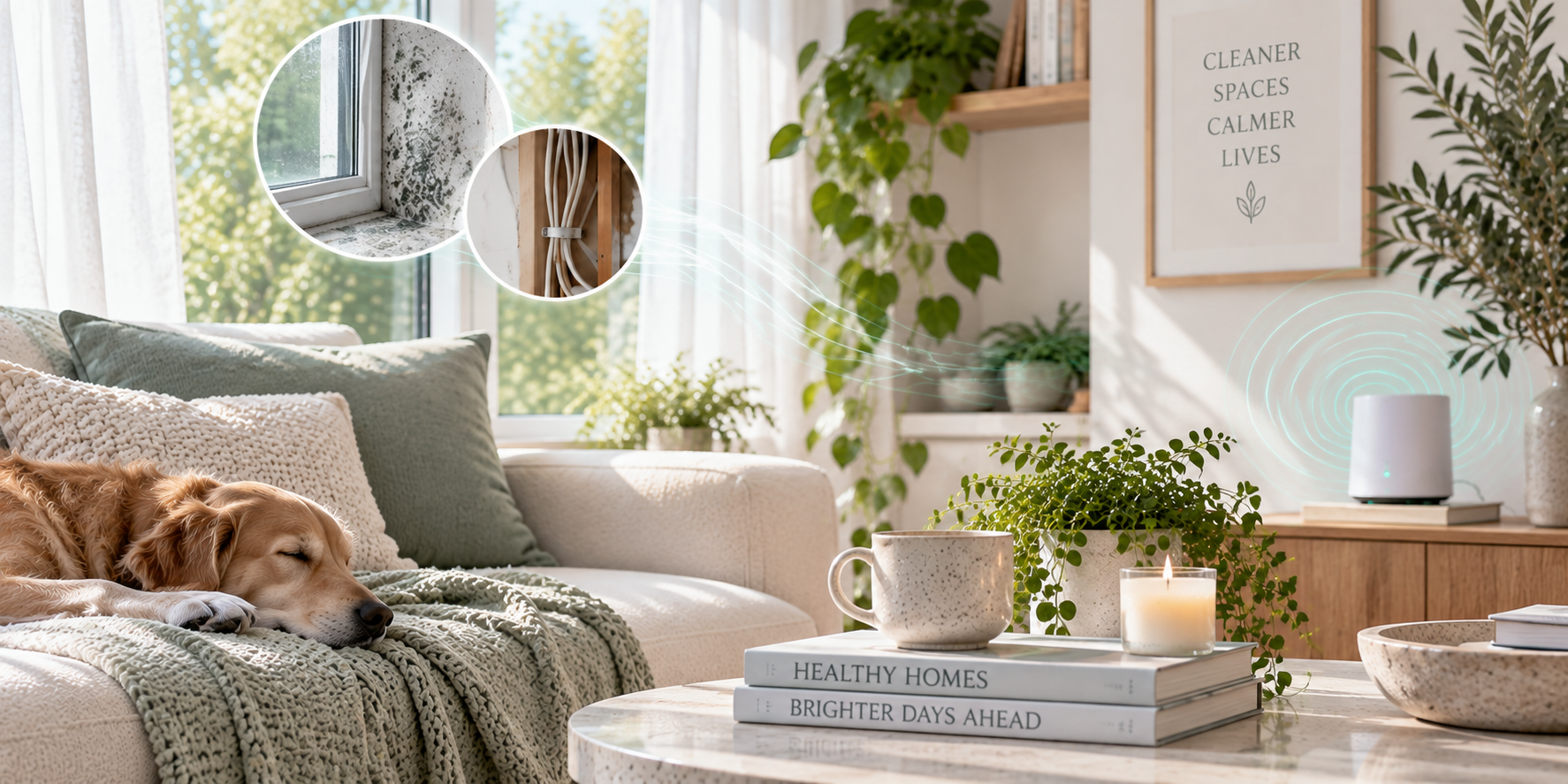
The Hidden Connection Between Mold and EMFs
If you've been through a mold problem, you already know how consuming it is. The testing. The remediation. Months of your life revolving around getting your home clean...
Get in Touch
I read and respond to every email personally